How to Research, Compare, and Choose the Right Software
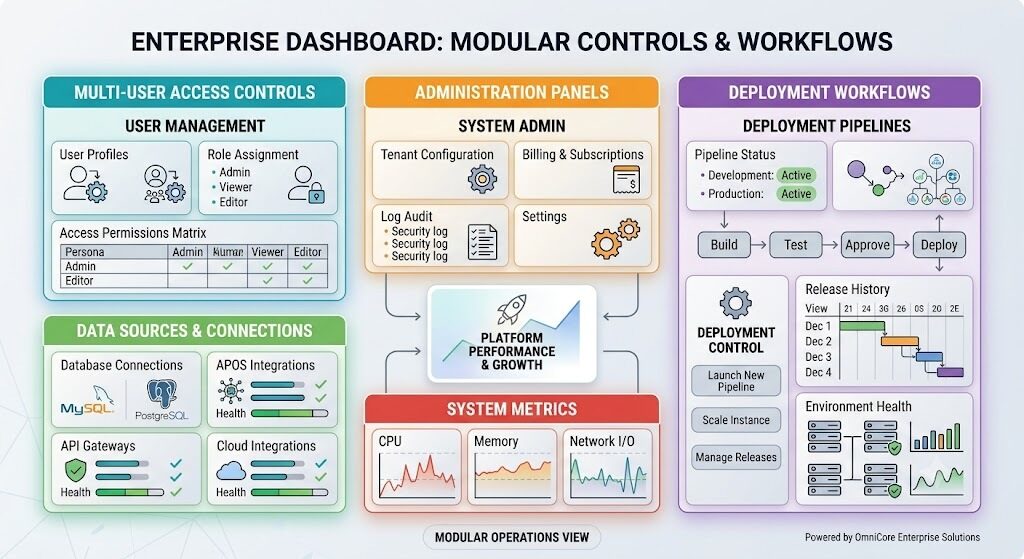
Finding the right digital tool often feels harder than it needs to be. Search for almost any category—whether you need an email marketing platform, an online store builder, or team collaboration software—and you are immediately met with dozens of options making almost identical promises. Every homepage claims to be intuitive, powerful, and built to save you hours every week.
In reality, software that works wonders for an established agency might prove completely unsuitable for a solo creator or an independent retail shop. Choosing tools based entirely on slick marketing or sheer popularity often leads to unused subscriptions, frustrated teams, and wasted time migrating data later.
Taking a deliberate, step-by-step approach to software research helps you look past promotional promises, clarify your actual requirements, and invest in solutions that genuinely support your day-to-day work.
Start With the Problem You Need to Solve
Before opening dozens of browser tabs or signing up for trials, step away from the software market entirely and look closely at your own workflow. Software should solve an existing bottleneck or enable a clear objective, not introduce unnecessary complexity.
Begin by listing the specific task or problem you want to address. If customer messages are slipping through the cracks across social media and email, you might need a centralized inbox rather than an enterprise customer relationship management system.
Categorize your functional needs into two distinct groups:
Essential capabilities: The features you must have on day one to complete core tasks. Without these, the tool cannot serve its purpose.
Optional capabilities: Helpful extras that add convenience but are not strictly necessary to keep your work moving forward.
Beyond features, establish your operational parameters early. Define your budget, including potential costs as your usage or team expands. Note the other applications you already rely on every day, such as your website platform, payment gateway, accounting suite, or communication apps, because native integrations will save hours of manual data entry.
Finally, consider your technical comfort level and privacy standards. Determine whether your data must reside in a specific jurisdiction, whether your industry has compliance standards, and whether you prefer an all-in-one cloud service or something you configure yourself.
Discover Relevant Software Options
Once you know what you are solving, start gathering a diverse list of potential candidates. Limiting your search to top search engine results often exposes you only to brands with the largest advertising budgets, potentially overlooking leaner, more specialized tools that fit your workflow better.
A practical starting point is exploring a structured
Supplement your initial list with firsthand user discussions on professional forums, open developer communities, and industry-specific groups. Pay attention to the tools your peers mention when discussing their daily workflows. Check public product documentation and release notes as well; active changelogs and clear documentation are strong indicators of a reliable, well-maintained product.
Compare Features Beyond the Marketing Page
Marketing websites are designed to highlight strengths while glossing over functional boundaries. A practical software comparison requires looking deeper into how two or more competing applications actually handle everyday tasks.
Examine core functionality carefully. Two platforms might both list "invoicing" as a feature, but one might only offer static PDF downloads while the other handles automated recurring billing, multiple currencies, and payment reconciliation.
Look closely at these practical factors:
Integrations: Does the software connect directly with your existing stack, or will you need to set up and pay for third-party connector services?
Ease of use: Is the interface intuitive enough for everyone on your team to adopt without extensive training?
Deployment and compatibility: Does it run seamlessly across the browsers, operating systems, and mobile devices your team uses?
Scalability and limits: Watch out for restrictive tier limits on active contacts, monthly operations, storage, or administrative seats that could force an expensive upgrade prematurely.
Support availability: Consider what level of support is included at your tier. A platform with live chat or prompt email assistance can make a tremendous difference when an urgent issue arises.
Read Reviews With Context
Customer feedback can provide valuable insight into real-world performance, but it is important to evaluate user feedback with a critical eye. A single glowing review or frustrated complaint rarely tells the complete story.
Relying solely on vendor-hosted testimonials provides an incomplete picture, as companies naturally showcase only their happiest clients. Instead, consult balanced software reviews across independent community spaces, specialist blogs, and open forums.
Look specifically for independent software reviews that detail both advantages and trade-offs. Pay attention to reviews written by people whose business size, technical ability, and operational goals mirror your own. A five-star rating from an enterprise technology department might highlight custom governance controls that would only slow down a small, agile business. Conversely, a one-star review might simply stem from a user who chose the wrong tier for their needs. Look for recurring patterns across multiple sources regarding customer support responsiveness, software stability, and billing transparency.
Research AI Tools Carefully
Artificial intelligence features and standalone applications have expanded rapidly across marketing, customer support, coding, and content production. While these capabilities can dramatically accelerate repetitive tasks, choosing the right tool requires careful scrutiny rather than following online trends.
When exploring an AI tools directory, focus on the underlying capabilities and practical reliability of the system rather than broad claims about automation. Understand what model powers the system, whether the tool supports API access for custom connections, and what usage caps apply to your subscription. Many AI platforms enforce monthly token or credit quotas that can run out quickly during intensive projects.
Privacy and data handling are particularly critical when evaluating tools that process business data. Verify whether your inputs, customer details, or proprietary content will be used to train public models, and ensure the vendor provides clear, binding data protection commitments.
Rather than chasing generalized claims about the best AI tools, compare how specific options handle your actual prompts, data formats, and daily tasks. When you take the time to compare AI tools against real, representative work samples, differences in output consistency, accuracy, and overall workflow speed become apparent very quickly.
Consider Business Requirements
When selecting core operational systems—such as customer relationship management, project tracking, accounting, or security software—the selection process must account for long-term operational impact.
A thorough business software comparison should balance initial purchase price against the broader investment of time, onboarding, and ongoing maintenance. Consider:
Team administration: Does the tool support role-based permissions so team members only access what they need?
Workflow alignment: Will your team need to overhaul proven processes to fit the software, or can the software adapt to how you already work?
Data ownership and portability: Can you export your records, customer data, and project histories easily in standard formats if you decide to switch providers in the future?
Ongoing maintenance: Who manages updates, data backups, and user offboarding?
A platform that appears slightly more expensive per month can often be the more economical choice if it eliminates manual errors, requires less configuration, and integrates cleanly with your website or store.
Create a Shortlist Before Deciding
To avoid decision fatigue, narrow your research down to a manageable shortlist of two or three viable candidates using a structured evaluation process.
Eliminate non-starters: Immediately drop any application that lacks an essential feature, exceeds your non-negotiable budget, or fails required security standards.
Verify terms and documentation: Review the vendor's pricing page for hidden setup fees, renewal price increases, or paid add-ons. Check user manuals to confirm how complex features are configured.
Run a hands-on trial: Sign up for a trial or free tier. Instead of casually clicking around, recreate one or two actual daily tasks from start to finish. Test importing your real data, inviting a colleague, or running a standard report.
Evaluate the learning curve: Observe how intuitive the interface feels during testing and whether your team can navigate it comfortably without constant reference to help guides.
Using this disciplined sequence acts as your own software buying guide, ensuring that you base your ultimate choice on hands-on verification rather than marketing promises. The goal is not simply to chase a generic list of the best software tools, but to identify the single platform that fits your exact operating context.
How BestAIToolix.com Can Support Software Research
Navigating hundreds of software categories can quickly become overwhelming without structured information. BestAIToolix.com serves as an evidence-driven discovery, research, and comparison platform built to help professionals, small businesses, and technology teams evaluate their options systematically.
The platform provides organized software categories spanning artificial intelligence, marketing, project management, developer operations, finance, and security. Rather than relying on surface-level marketing claims, users can explore structured product profiles, side-by-side feature comparisons, and contextual research guides.
By detailing critical factors like deployment methods, pricing models, platform integrations, and privacy considerations, BestAIToolix.com helps you structure your evaluation, uncover viable alternatives, and make well-informed software decisions with confidence.
Practical Questions About Choosing Software
How many software alternatives should I test before making a decision?
Aim to thoroughly test no more than two or three finalists. Researching broadly initially is fine, but running hands-on trials with more than three tools often leads to confusion and wasted time. Shortlist candidates using documentation and requirements first, then test only the top contenders.
Should I choose an all-in-one suite or dedicated specialized tools?
All-in-one platforms reduce subscription sprawl and simplify integration, making them ideal for smaller teams that value simplicity. However, specialized standalone tools usually offer deeper capabilities for specific disciplines. Choose an all-in-one suite if your needs across each area are straightforward, or connect specialized tools via APIs if you require advanced features for a specific function.
What is the best way to test software during a brief free trial?
Prepare your evaluation before starting the trial clock. Have sample data ready to import, outline two or three real-world tasks you perform weekly, and set aside dedicated time on your calendar. Testing real tasks immediately gives you an accurate sense of the platform's daily usability.
How can I tell if a software vendor is reliable for the long term?
Check the frequency of their product updates, the responsiveness of their support team during your trial, and the clarity of their public documentation. Companies that consistently publish release notes, maintain active help centers, and offer transparent pricing structures are generally more dependable long-term partners.
Conclusion
Selecting the right digital tools does not have to be an exercise in guesswork or marketing fatigue. By clearly defining the problem you need to solve, gathering diverse alternatives, comparing functional capabilities beyond promotional headlines, and verifying customer feedback in context, you can assemble a technology stack that genuinely serves your goals.
Taking the time to validate features, test tools with real workflows, and leverage structured research resources like BestAIToolix.com ensures your final choice delivers long-term stability, predictable costs, and a smooth daily experience for you and your business.