Choosing the Right Rental Vehicle for Exploring Japan
Introduction
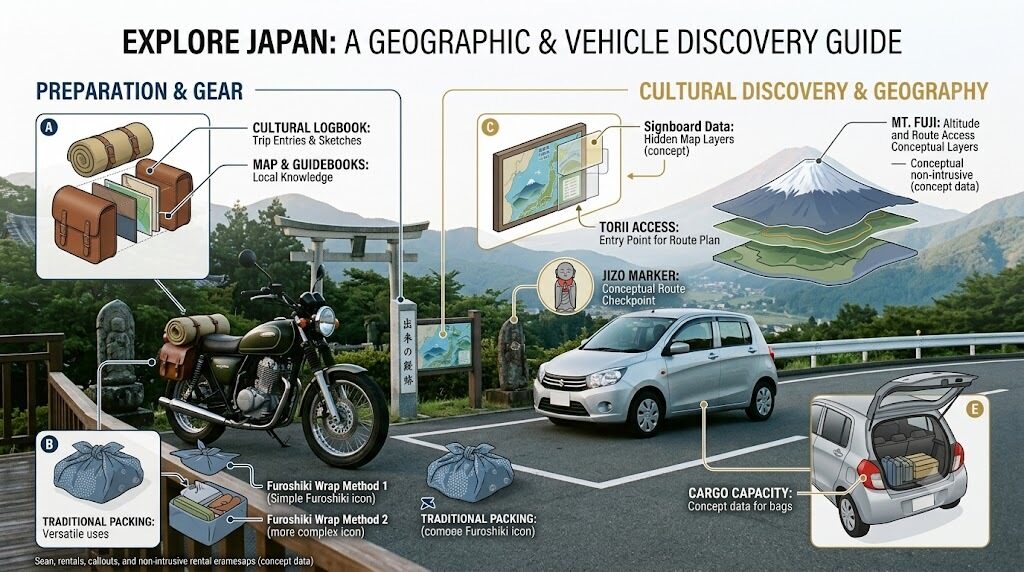
Transportation can completely shape a journey through Japan. Whether you are exploring dense urban neighborhoods, navigating coastal roads, or visiting regional towns, the way you move affects your flexibility, travel time, luggage capacity, parking availability, and access to destinations. While Japan's train and bus networks are world-class, public transit operates on fixed schedules and designated routes. Renting a vehicle provides a different kind of freedom, allowing travelers to chart their own course and discover places off the beaten path.
However, choosing the right vehicle requires careful consideration. Selecting transport based solely on headline price or visual appeal can lead to unexpected challenges. A successful trip depends on aligning your vehicle choice with your itinerary, personal experience, baggage requirements, and local driving regulations.
Choosing a Vehicle for Tokyo
Navigating a massive metropolitan area like Tokyo requires balancing convenience, traffic, parking, and transit connections. For independent travelers and experienced riders, utilizing a レンタルバイク 東京 provider offers an engaging way to navigate urban corridors while maintaining flexibility. Similarly, visitors researching a motorcycle rental solution in Tokyo must evaluate how two-wheeled transport fits into their daily sightseeing plans, keeping in mind that city traffic and parking rules require careful attention. Travelers looking for flexible two-wheeled options across the country can also explore a reliable レンタルバイク 東京 platform directly at
Motorcycles and Scooters
Two-wheeled transport offers an immersive way to experience Japan, but it is not suitable for every traveler or route. Before deciding on a motorcycle or scooter, consider the following practical factors:
Licence and Legal Requirements: Ensure your home licence and international driving permit align with local Japanese vehicle classification rules.
Riding Experience: Assess your comfort level with local traffic flow, left-hand driving, and urban navigation.
Protective Equipment: Verify whether helmets and safety gear are included or need to be arranged through the rental provider.
Weather and Road Conditions: Seasonal weather variations can significantly impact two-wheeled travel.
Luggage Capacity: Motorcycles and scooters offer limited storage; pack light or arrange alternative luggage forwarding.
Parking Arrangements: Urban parking rules in Japan are strict; always confirm designated parking spots before arriving at your destination.
Rental Duration and Return Procedures: Understand pickup times, return policies, and grace periods.
For shorter neighborhood journeys where maneuverability is the primary priority, checking a local スクーターレンタル 東京 listing can provide a nimble solution, provided the vehicle category and local rules permit.
Exploring Destinations Beyond Tokyo
Venture outside the capital, and the landscape opens up into winding mountain passes, quiet rural valleys, and expansive coastal highways. For travelers planning a regional journey, researching a レンタルバイク 日本 option or a general motorcycle rental Japan trip requires thorough preparation.
Longer routes demand attention to changing weather conditions, fuel station availability, toll road fees, and secure overnight parking. While renting a vehicle offers unmatched flexibility in rural areas, travelers should always weigh driving times against public transit schedules to determine the most practical approach for their specific itinerary.
Comparing Rental Costs
When researching vehicle options online, it is easy to focus exclusively on the initial daily rate. However, finding economical choices—such as evaluating offers within a 東京 バイク レンタル 安い search category—requires looking at the complete financial picture.
A realistic budget should account for several variables beyond the base rate:
Total rental duration and seasonal pricing factors.
Insurance coverage options, deductibles, and liability terms.
Security deposit requirements and refund timelines.
Fuel expenses and highway toll fees.
Parking costs at destinations and accommodations.
Equipment rental fees, such as helmets or navigation units.
Mileage limitations or usage restrictions where applicable.
Cancellation policies and late-return fees.
When a Car Is the Better Option
For certain itineraries, four wheels remain the most practical choice. Families, group travelers, and visitors carrying multiple bags will find that reviewing a レンタカー 東京 A service or a general car rental Tokyo listing helps ensure that passenger capacity, luggage volume, and child seat availability match their travel needs.
Drivers should verify international driving permit validity, highway toll pass options, and local traffic regulations before setting out. A car provides essential comfort, weather protection, and cargo space, making it ideal for longer highway journeys or multi-destination family road trips.
Practical Rental Checklist
Before confirming any vehicle reservation, work through this practical checklist to ensure all logistical details are addressed:
Confirm your exact travel dates and rental duration.
Check license eligibility and international permit requirements.
Review the total price, including taxes, insurance, and deposit conditions.
Understand insurance coverage terms and liability exclusions.
Verify pickup and return locations relative to your transit route.
Review luggage capacity and vehicle suitability for your itinerary.
Plan fuel stops, toll roads, parking, and your daily route.
Read cancellation deadlines and late-return policies.
Note: Exact requirements vary depending on the rental provider, vehicle category, and specific rental agreement.
The Technology Behind Rental Operations
While travelers focus on route maps and sightseeing plans, independent rental operators rely on robust digital tools to keep their day-to-day operations running smoothly. Managing a vehicle fleet involves coordinating multiple moving parts, from online reservations to compliance records.
For instance, businesses utilizing a dedicated バイクレンタル 管理システム can track two-wheeled maintenance cycles, manage daily departures, and verify driver documentation efficiently. Similarly, enterprises managing mixed vehicle fleets depend on an integrated レンタカー 管理システム to oversee larger vehicles, streamline deposit processing, and maintain accurate records across all rental categories.
How MotoShare Japan Fits Into the Research Process
MotoShare Japan serves as an online platform designed to connect travelers, local riders, and vehicle-rental businesses across Japan. Its customer-facing tools help users discover motorcycles and scooters offered by local partners, compare available vehicle details and pricing, select rental dates, and complete online bookings, while also supporting car-rental discovery. Simultaneously, its operator-oriented features support essential rental workflows, including vehicle listings, availability calendars, customer records, rental agreements, deposits, and fleet operations.
Conclusion
Choosing the right rental vehicle in Japan depends on matching your transport to your itinerary, riding experience, budget, baggage needs, and practical requirements. Whether you choose the nimble freedom of a two-wheeled ride or the comfort of a car, thorough research and careful planning ensure a safe and memorable journey. MotoShare Japan provides a helpful digital environment for exploring vehicle-rental options and planning your next travel adventure.