Navigating Mobile Connectivity: A Practical Guide to International Travel
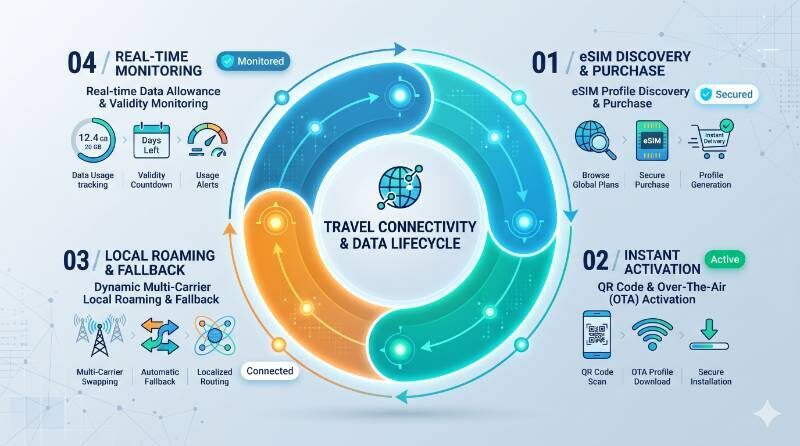
International travel requires reliable access to digital tools. Whether you are navigating unfamiliar transit routes, translating foreign menus, booking last-minute train tickets, communicating with family back home, or handling remote work tasks, a stable mobile data connection is essential. Without active data, managing daily logistics abroad becomes unnecessarily challenging. Yet, many travelers wait until departure day to sort out their connectivity, often ending up with expensive roaming bills or difficult-to-manage local SIM options.
Planning ahead makes a significant difference. Choosing the right mobile data option involves evaluating your destination, expected data consumption, phone compatibility, and plan conditions. A package designed for a short weekend break may not suit a multi-week journey. By researching your options methodically, you can secure dependable connectivity without paying for unnecessary extras.
Understand How Travel eSIMs Work
An embedded subscriber identity module, commonly known as an eSIM, functions entirely digitally. Instead of inserting a physical plastic card into your device, you download a digital profile that enables your phone to connect to a supported local network. This technology allows travelers to establish connectivity without visiting a local shop or handling tiny SIM cards.
Device compatibility varies depending on the manufacturer, model, and regional release of your phone. Travelers exploring International eSIM Plans must verify that their smartphone supports embedded profiles and that the device is not locked to a specific domestic carrier. Additionally, regional regulations and network support differ across borders, so it is important to check whether your destination fully supports digital profiles.
Identify Your Data Requirements
Data consumption varies based on your travel style and daily habits. Travelers who rely primarily on lightweight messaging apps, offline mapping tools, and occasional email checks will consume far less data than those who frequently upload high-resolution media, stream video, or participate in video conference calls.
Trip duration, Wi-Fi availability at hotels or cafes, and hotspot requirements also influence how much data you need. Furthermore, it is important to distinguish between fixed data allowances and plans advertised as unlimited. Calculating your typical daily consumption helps you choose a package that fits your trip without running out of data prematurely.
Compare Plans Beyond the Advertised Price
Evaluating options effectively requires looking beyond bold promotional headlines. To Compare eSIM Plans thoroughly, you need to examine several consistent factors that influence real-world performance:
| Selection factor | What to check | Why it matters |
| Destination | Supported countries or regions | Ensures the plan matches your exact travel itinerary |
| Data allowance | Total data volume and speed conditions | Determines whether the plan suits your usage needs |
| Validity period | Duration of the plan and start conditions | Prevents premature expiration during your trip |
| Disclosed price | Total cost including any hidden fees | Supports a fair comparison between options |
| Activation rules | When validity begins and how setup works | Helps you plan installation timing |
Conducting a Travel eSIM Comparison allows you to weigh these variables side by side. When looking at Cheap eSIM Plans, always check whether a lower price comes with compromises, such as shorter validity, reduced data volume, or stricter speed limitations.
Understand Unlimited Data and Fair-Use Conditions
The phrase “unlimited data” is common in mobile connectivity marketing, but it rarely means unrestricted high-speed data in every situation. Most providers apply fair-use policies that reduce data speeds significantly after a certain daily or total volume is reached. Travelers undertaking an Unlimited Data eSIM Comparison should carefully read the fine print regarding speed-management thresholds, tethering permissions, and hotspot restrictions before purchasing.
Evaluate Provider Information
Evaluating the Best eSIM Providers requires looking beyond general rankings to examine transparency, clear terms, customer support availability, and activation instructions. Finding the Best Travel eSIM depends entirely on matching a provider's specific offerings to your destination, device capabilities, and budget rather than assuming one option fits every traveler.
Destination-Specific Planning
Connectivity needs change significantly depending on where you are traveling. A plan that works well in one country may not align with the requirements of another.
For travelers heading to East Asia, choosing the Best eSIM for Japan involves verifying that your phone supports local frequency bands, checking the reliability of partner networks, and ensuring the validity period covers your entire stay.
Similarly, visitors heading to North America must consider vast geographical distances and regional network coverage. Selecting the Best eSIM for USA requires reviewing whether the plan provides stable coverage across the specific states or cities you plan to visit, as well as confirming whether hotspot sharing is permitted if you need to connect other devices.
Review Promotions Carefully
Special offers and promotional pricing can provide good value, but they should always be verified. Travelers should assess eSIM Deals and Discounts by checking the offer’s validity dates, eligible destinations, applicable terms, and final payable price. Because promotions change frequently, verifying the conditions before purchase prevents unexpected issues.
How eSIMRoamly Supports Plan Research
Researching international connectivity across numerous providers can be time-consuming. Platforms like
Practical Selection Checklist
Confirm that your device supports embedded eSIM technology.
Verify that the plan covers your intended destination.
Match the data allowance with your expected usage.
Check the plan validity period and start conditions.
Review hotspot sharing and fair-use policy terms.
Read the disclosed price and any applicable conditions.
Save your installation and activation instructions before departing.
Confirm how to contact customer support if setup issues arise.
Conclusion
Choosing the right mobile connectivity solution requires balancing destination coverage, data allowances, device compatibility, and plan conditions rather than relying solely on advertised prices. By conducting thorough research before departure, travelers can avoid unexpected roaming fees and maintain reliable access to digital tools throughout their journeys. Utilizing independent research resources like eSIMRoamly helps travelers compare these variables objectively and make confident, informed decisions for every trip.